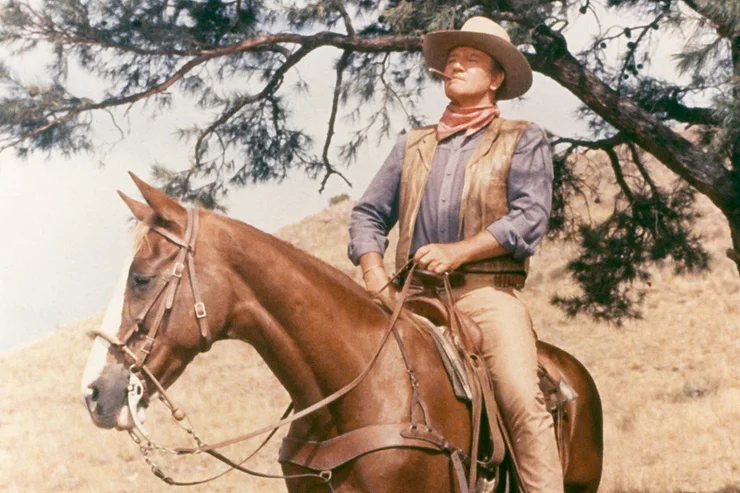
John Wayne, often referred to as “The Duke,” was more than just the rugged cowboy or brave lawman he portrayed on screen. Born Marion Robert Morrison in 1907 in Winterset, Iowa, his rise to fame and enduring legacy came from his ability to embody the archetype of the American hero. However, the real man behind the camera was a blend of unexpected qualities, intriguing decisions, and a fascinating life that made him a cultural icon. Here are some captivating insights into the life of a man who shaped the image of masculinity and justice in Hollywood.
Not Born as John Wayne
John Wayne was not the name he was given at birth. Born Marion Robert Morrison, the man who would later personify American grit had humble beginnings. His nickname, “Duke,” preceded his Hollywood fame and came from his childhood in California. Young Marion had a loyal Airedale terrier named Big Duke, and local firemen affectionately dubbed the boy “Little Duke.” This moniker stuck with him for life.
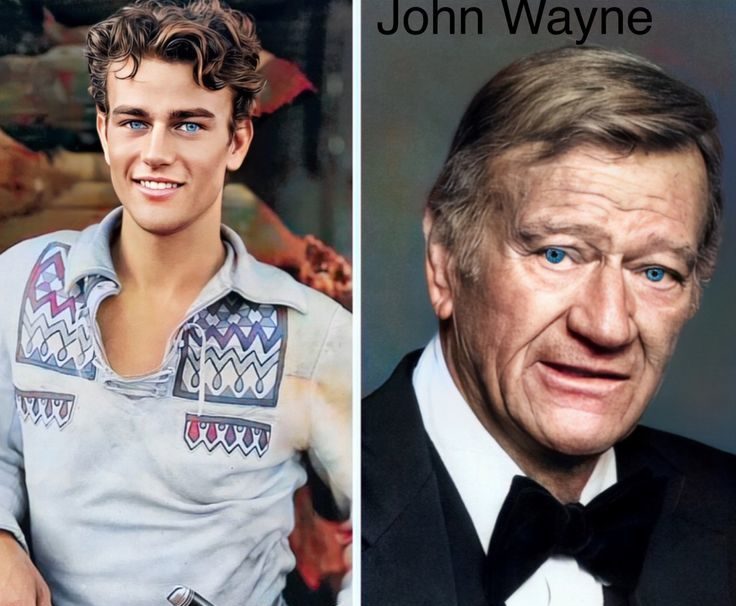
When Fox Studios prepared to cast him in his first major role in The Big Trail (1930), studio head Winfield Sheehan thought Marion Robert Morrison was unsuitable for a star. Inspired by Revolutionary War General “Mad Anthony” Wayne, Sheehan christened him John Wayne—a name that would become synonymous with the Old West and Hollywood heroism.
A Promising Athlete
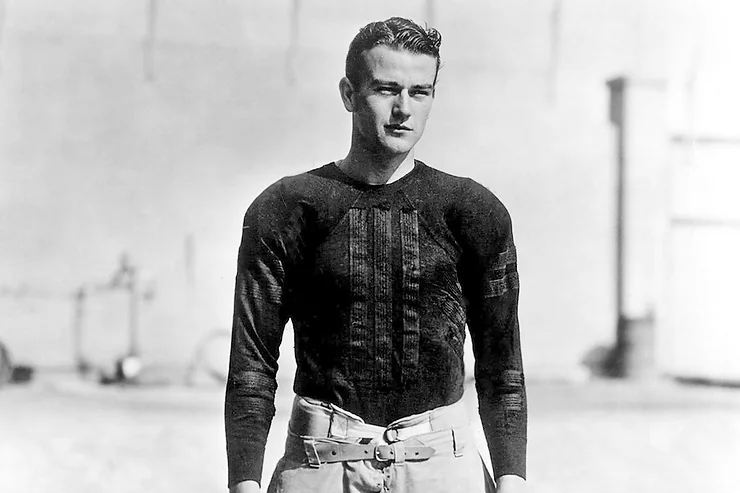
Standing at an imposing 6 feet 4 inches tall and weighing over 200 pounds, Wayne’s physical presence was undeniable. His athletic prowess earned him a spot on Glendale High School’s championship-winning football team. Later, he secured a scholarship to the University of Southern California (USC) for football. Unfortunately, a bodysurfing accident ended his athletic career prematurely during his junior year. This misfortune turned into an opportunity, as connections through his coach landed him a job in the Fox props department, setting him on the path to movie stardom.
The First Singing Cowboy
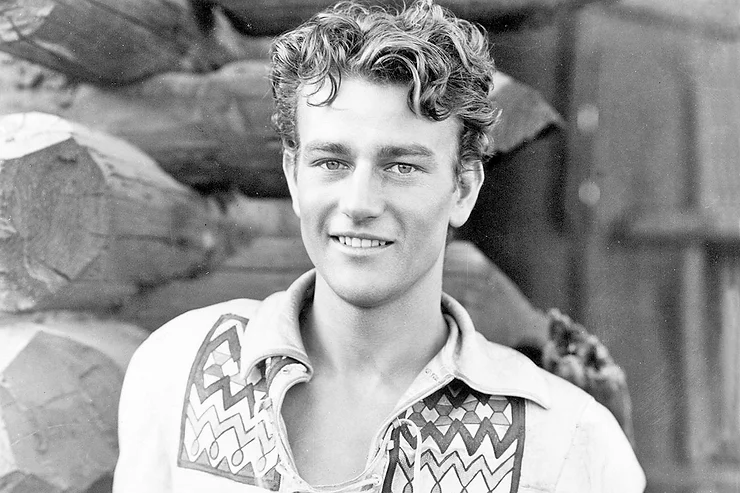
Before Wayne became the stoic lawman of Stagecoach (1939), he explored various roles during the 1930s, including that of a singing cowboy. Films like Riders of Destiny (1933) and Lawless Range (1935) cast him as a guitar-strumming hero. Unlike his peer Gene Autry, who had genuine musical talent, Wayne relied on dubbing to deliver the songs. Embarrassed by his inability to sing during public appearances, he retired from lip-syncing roles, preferring characters that allowed him to shine as an action star.
Controversy Over Military Service
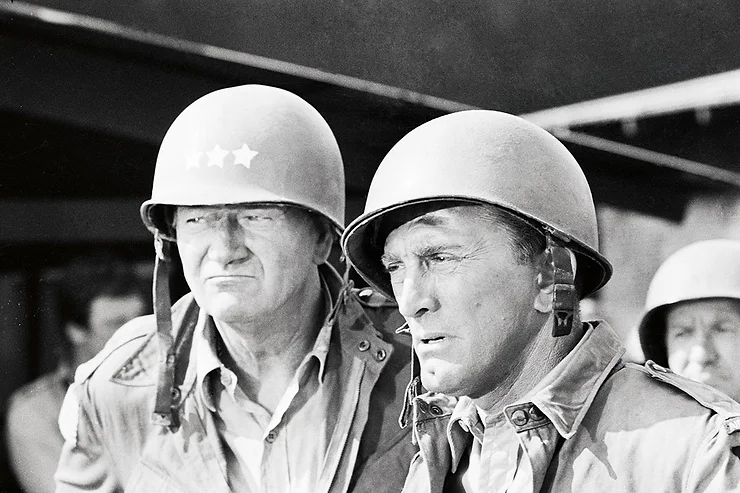
Wayne’s image as a patriotic American was somewhat at odds with his personal history. During World War II, many of his contemporaries, including Clark Gable and Jimmy Stewart, enlisted in the military. Wayne, however, did not serve. Initially granted deferments as the sole provider for his family, he later secured additional exemptions to focus on his burgeoning acting career. Although he entertained troops overseas with the United Services Organization (USO), some servicemen viewed him as a symbol of “fake heroism.” Biographers suggest Wayne’s guilt over not serving drove his passionate public displays of patriotism in later years.
A Chess Enthusiast
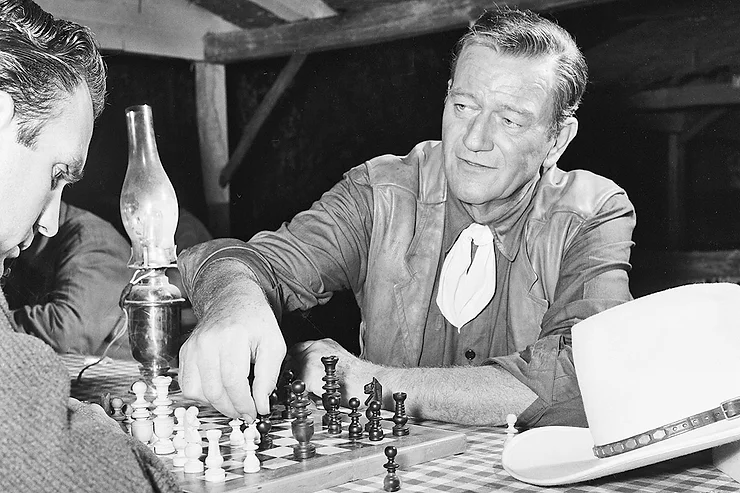
Despite his tough-guy image, Wayne had a cerebral side. He was an avid chess player, a passion that began in his teenage years. Known for his competitive nature, he often played on movie sets between takes. While he claimed to remain undefeated against friends like Ed Faulkner and Jimmy Grant, there were moments of frustration—such as when he lost a match to actor William Windom and sent the chessboard flying in anger. Chess offered Wayne a mental challenge that contrasted with his physical roles on screen.
From Warship to Luxury Yacht
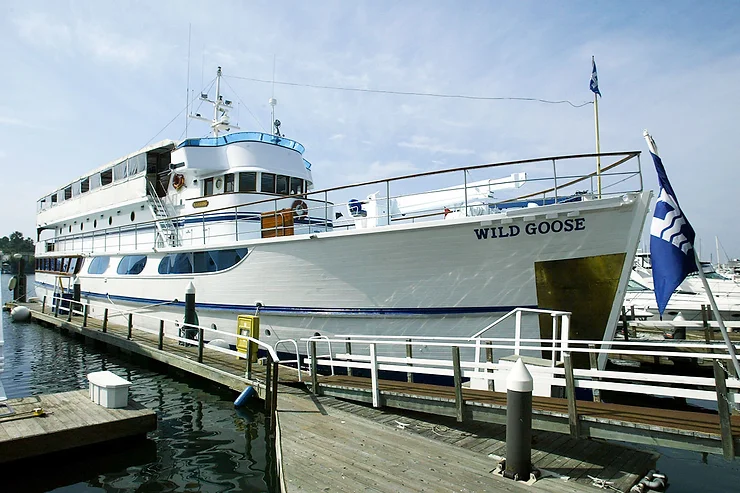
Wayne’s adventurous spirit extended to his personal life, particularly his love for the sea. In the 1960s, he purchased a 136-foot yacht called the Wild Goose, originally a U.S. Navy minesweeper. He transformed the vessel into a luxurious retreat complete with a saloon, fireplace, and bridal suite. The Wild Goose became a sanctuary for family getaways and Hollywood parties, hosting stars like Tom Jones and Dennis Wilson. The yacht even had cameo roles in films like The President’s Analyst (1967) and Skidoo (1968), reflecting Wayne’s ability to blend work with leisure.
A Grammy Nomination for Poetry
John Wayne’s talents weren’t confined to acting. In 1973, he released America, Why I Love Her, a spoken-word poetry album written by John Mitchum, brother of Wayne’s frequent co-star Robert Mitchum. Featuring patriotic themes like “An American Boy Grows Up” and “Why Are You Marching, Son?”, the album resonated with audiences and spent 16 weeks on the Billboard 200 chart. It earned Wayne a Grammy nomination for Best Spoken Word Album, though he lost to Richard Harris’ performance of Jonathan Livingston Seagull. The album remains a testament to Wayne’s love for his country and his versatility as an artist.
Battling Cancer and Defying the Odds
Wayne faced significant health challenges later in life, starting with a lung cancer diagnosis in 1964. After undergoing surgery to remove a lung and several ribs, he astounded everyone by returning to action-heavy roles. Films like Hellfighters (1968) and Chisum (1970) showcased his determination to keep working despite his condition. By the mid-1970s, his declining health became apparent, and he had to finance part of his final film, The Shootist (1976), due to insurance concerns. Wayne passed away from stomach cancer in 1979, leaving behind a legacy of resilience and strength. His family later established the John Wayne Cancer Foundation to support cancer research and patients.
An Enduring Legacy
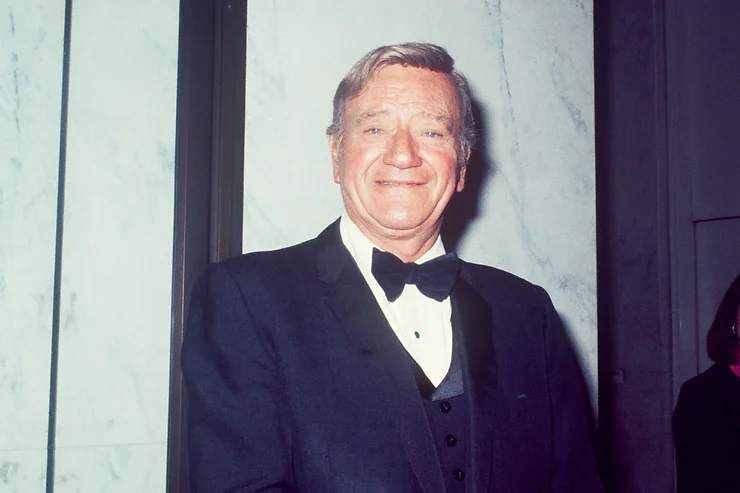
John Wayne’s influence extends far beyond his films. He remains a symbol of rugged individualism and unwavering principles, embodying the ideals of American masculinity. Whether as a cowboy, a soldier, or a family man, Wayne’s performances captured the imagination of generations. His ability to balance toughness with vulnerability made his characters relatable, while his personal struggles and triumphs revealed the complexity of the man behind the legend.
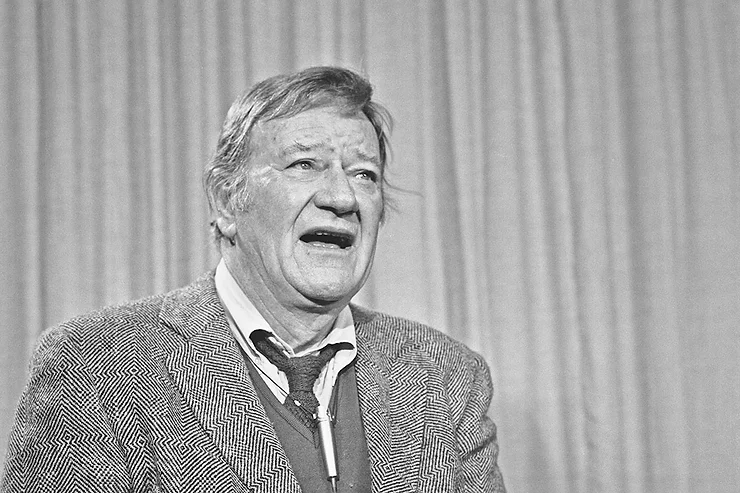
From his early days as “Little Duke” to his final role as a gunslinger in The Shootist, John Wayne’s life was a journey of transformation, perseverance, and impact. His name, synonymous with the golden age of Hollywood, continues to inspire fans and filmmakers alike. Though the man himself may be gone, the values he represented—courage, loyalty, and determination—live on, ensuring that John Wayne remains a timeless American icon.